PEB Companies in Surat and South Gujarat: Textile and Chemical Sheds
Surat and South Gujarat, from Vapi and Ankleshwar through Bharuch and Dahej to Hazira and Sachin, build textile processing houses, weaving sheds, chemical plants and warehouses in a coastal climate that is harder on steel than inland Gujarat: higher basic wind speed, high humidity, salt air near the coast and chemical vapour inside the sheds. A PEB company for this region should design to the Surat wind speed and seismic zone, specify coatings and sheeting for a corrosive atmosphere, ventilate hot process halls and plan the expansion the first day. Darshan Steel Infrastructure serves Surat and South Gujarat from its works at Rajkot; Everest at Dahej, Bansal Roofing and Matrix PEB at Vadodara, Phenix at Sanand, and Surat-based Structen Prefab and Divine Engineering Service are the other names to shortlist.
What South Gujarat builds
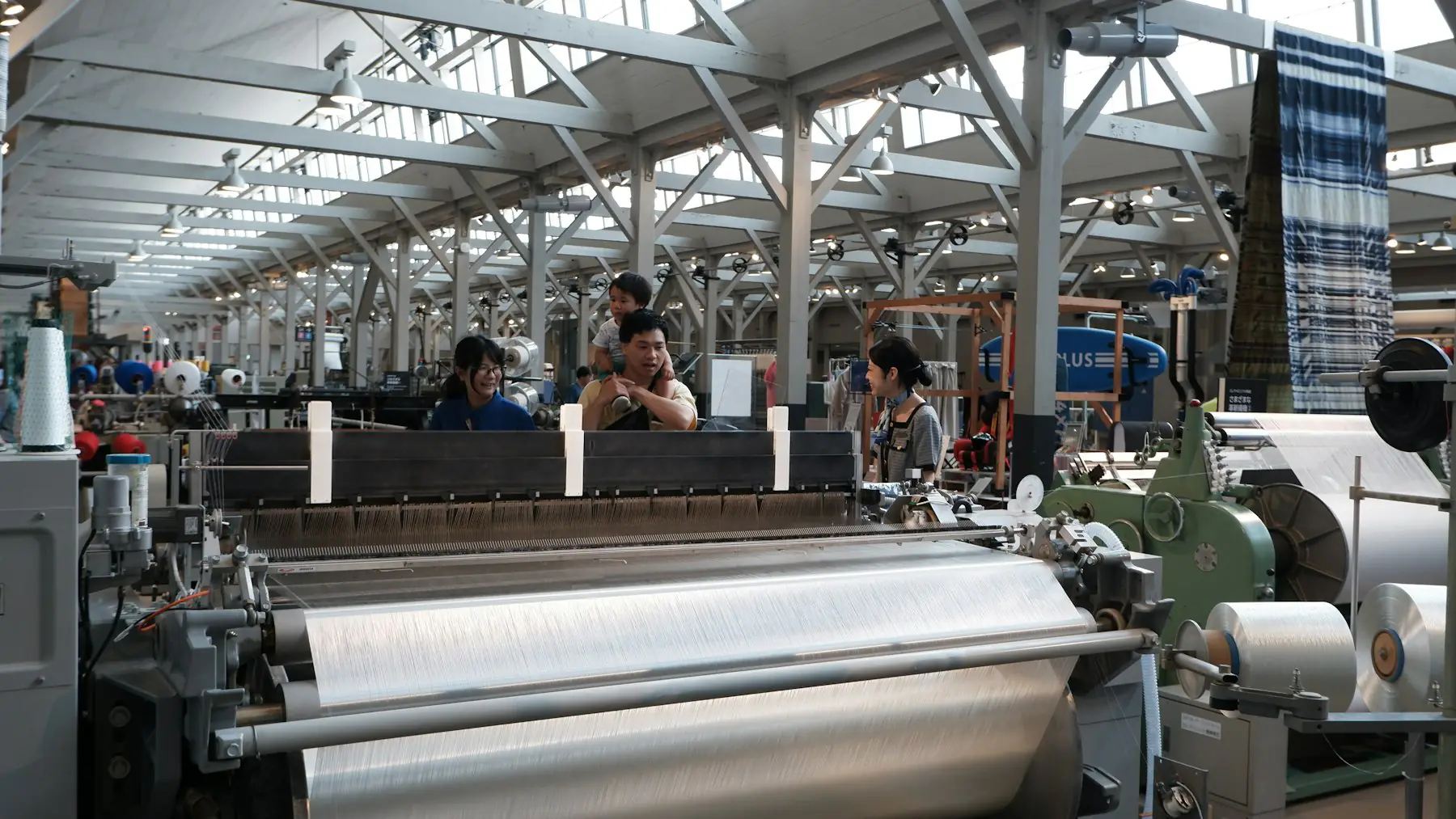
South Gujarat is two industries laid over one coast. Surat is India’s largest centre for synthetic textiles: weaving sheds on the GIDC estates at Sachin, Pandesara, Kadodara, Palsana and Kim, processing houses that dye, print and finish fabric, and the embroidery, diamond and jewellery units that fill the city. Down the coast, Hazira, Bharuch, Dahej, Jhagadia, Ankleshwar and Vapi form one of India’s densest chemical, petrochemical and pharmaceutical belts, with the ports, power and logistics parks that go with it. Both industries build fast and build in steel: a pre-engineered building goes up in months, spans a weaving hall or a chemical plant without columns and can be extended when the next machine line arrives.
They also build in a climate that is harder on steel than the rest of Gujarat. The coast brings higher wind, the monsoon brings months of humidity, the sea brings salt in the air near Hazira and Dahej, and the processes inside the sheds, from dye vats to acid plants, add their own vapour. A PEB designed for an inland warehouse at Ahmedabad will not last the same way at Sachin or Ankleshwar. This article is about what changes, and which PEB companies serve the region.
What changes when you build a PEB in Surat or South Gujarat
Wind and seismic design
IS 875 Part 3 gives Surat and Vadodara a higher basic wind speed than Rajkot or Ahmedabad, and buildings within a few kilometres of the coast at Hazira, Dahej or Umbergaon see higher exposure still. The frame, the purlins, the sheeting fasteners and the bracing all have to be sized for it. Most of the region is in seismic zone III under IS 1893. Ask any PEB company for the design basis of your building with the wind speed, terrain category, seismic zone and soil bearing capacity written down; a quotation without them is a guess.
Corrosion
Humidity, salt and chemical vapour attack steel in that order of severity, and South Gujarat has all three. The frame should be shot-blasted to SA 2.5 and primed to 80–120 microns as a minimum, with an epoxy or polyurethane system where vapour is present. The sheeting should be colour-coated Galvalume, AZ150 to IS 513, rather than bare galvanised, with cut edges sealed, stainless or coated fasteners and no unsealed laps. For dye houses and chemical plants, consider FRP daylight sheets rather than polycarbonate, and specify the paint system on the frame for the specific chemicals in the building.
Heat, moisture and ventilation
A processing house throws steam and heat into the roof all day; a chemical plant throws vapour. Both need the air moved out through the roof and replaced from the walls. Ridge ventilators or turbo ventilators along the ridge, louvers along the upper walls and daylight panels that cut the lighting load are PEB accessories, chosen with the building rather than cut into it later. Insulation under the roof keeps the radiant heat off the floor and stops condensation dripping onto fabric or product in the monsoon.
Expansion
Textile and chemical units grow in lines: one more set of looms, one more reactor train, one more warehouse bay. A PEB grows the same way, by adding bays at an endwall, but only if the first building was designed for it: endwall columns that can become interior columns, bracing that can move, drainage that runs the right way and a site plan that leaves the land. Say on the first day which direction the building will grow.
What a textile shed in Surat needs
- Weaving and knitting halls: wide, column-free floors so machines are laid out for the process, not for the columns, with a floor designed for the vibration of the looms and the frame isolated from it.
- Processing houses: heavy ventilation over the dyeing, printing and finishing lines, insulated roofs to stop condensation, Galvalume sheeting and an epoxy-coated frame against dye and chemical vapour, and drainage for process water.
- Mezzanine floors: offices, sample rooms, yarn and accessory stores on a steel mezzanine designed into the frame, so the floor is not lost to them.
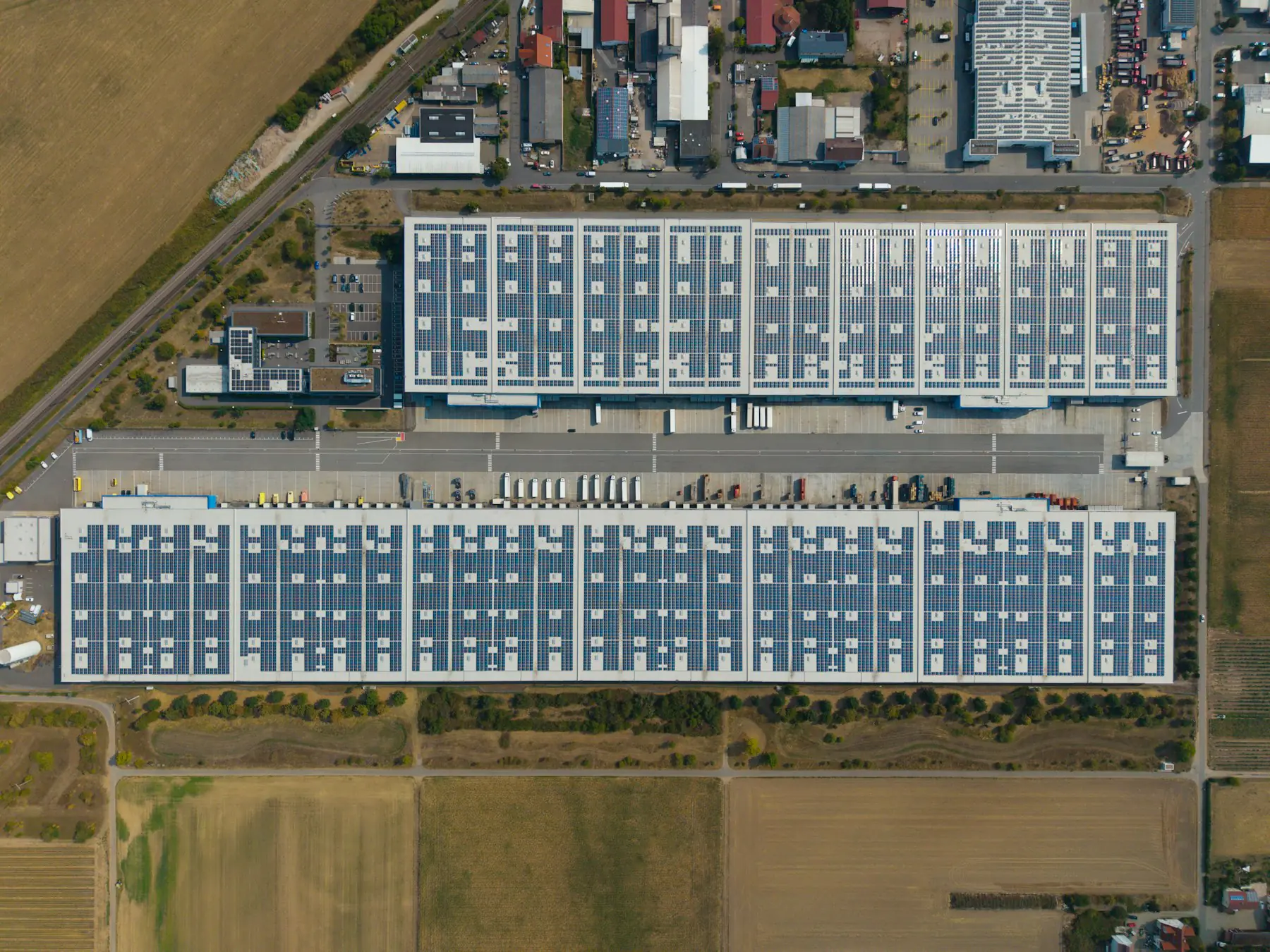
- Daylight and power: daylight panels at every bay to cut the lighting load of a two-shift unit, and a roof designed to carry rooftop solar from the start.
- Logistics: dock doors and canopies for fabric movement, and a clear height that suits the racking of grey and finished fabric.
What a chemical or pharmaceutical shed in Ankleshwar, Dahej or Vapi needs
- Corrosion protection matched to the chemicals: the paint system on the frame and the coating on the sheeting specified for the vapour inside, not taken from a standard warehouse quotation.
- Open or part-open structures: process areas that need free ventilation can be built as frames with partial cladding, with the roof as the main protection, while stores and packing are fully clad.
- Fire and blast separation: compartment walls, distance between buildings and non-combustible cladding where the process demands, with the frame designed for the openings.
- Services in the frame: pipe racks, cable trays, exhaust ducts and platforms designed as loads on the structure, not hung from it afterwards.
- Clean areas: pharmaceutical units need the PEB envelope to carry the panels, false ceilings and HVAC of the clean rooms inside, which is a load case on the frame.
- Warehousing: flammable and hazardous stores with their own ventilation, bunding and door arrangements, laid out so the site can expand.
PEB companies serving Surat and South Gujarat
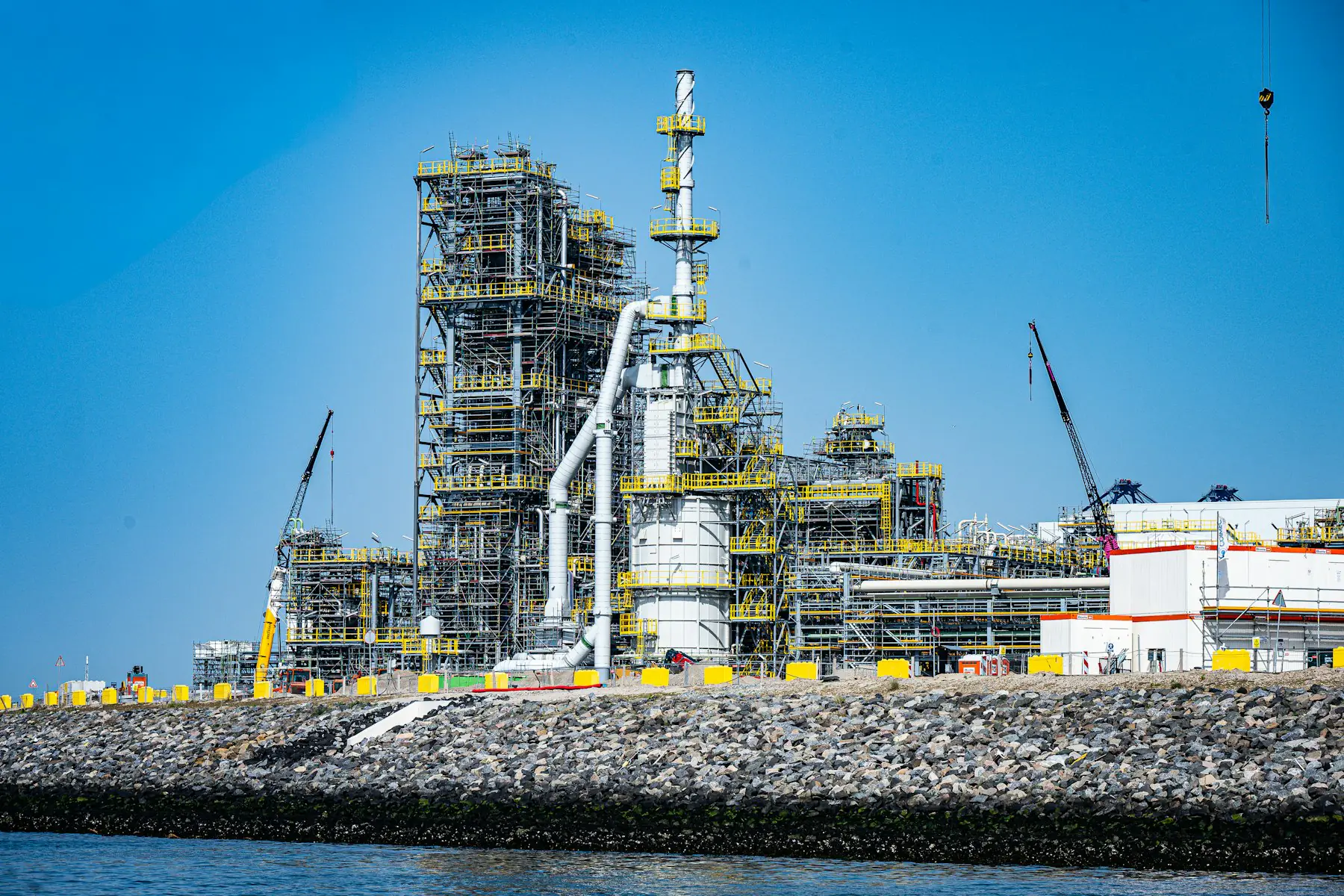
Few PEB manufacturers fabricate inside Surat itself; most of the region is served from works elsewhere in Gujarat that are within a day by road. That is not a disadvantage if the company dispatches complete kits and erects with its own crews. The companies below are described from their own published information as of November 2026; Darshan Steel Infrastructure is listed first because we can describe it from the inside.
Darshan Steel Infrastructure (DSI)
- Works
- Chhattar, Rajkot
- What it does
- Design, fabrication and erection of PEB factories, warehouses, sheds and cold storage
- Note
- 15,000 sq m works, 15,000 MT/year, 230+ projects since 2018, ISO 9001/14001/45001 (TÜV SÜD); serves Surat, Bharuch, Ankleshwar, Vapi and Dahej within a day
Everest Steel Building Solutions
- Works
- Dahej
- What it does
- PEB warehouses, factories and multi-storey steel buildings
- Note
- Division of listed Everest Industries; the only large PEB plant inside South Gujarat, in production since 2015
Bansal Roofing Products
- Works
- Vadodara
- What it does
- PEB structures, roofing and decking sheets, purlins and accessories
- Note
- BSE-listed; PEB manufacturing since 2016; ISO 9001:2015
Matrix PEB
- Works
- Near Vadodara
- What it does
- PEB fabrication and erection
- Note
- Serves the Vadodara–Bharuch–Ankleshwar–Surat corridor
Phenix Construction Technologies
- Works
- Sanand, Ahmedabad
- What it does
- PEB and heavy steel structures
- Note
- M&B Group division; plant near the ports; exports to East Africa
Structen Prefab
- Works
- Surat
- What it does
- PEB building systems and prefabricated structures
- Note
- Surat-based manufacturer; plant details not published
Divine Engineering Service
- Works
- Sachin, Surat
- What it does
- PEB structures; manufacturer and exporter
- Note
- Established 2012; plant details not published
| Company | Works | What it does | Note |
|---|---|---|---|
| Darshan Steel Infrastructure (DSI) | Chhattar, Rajkot | Design, fabrication and erection of PEB factories, warehouses, sheds and cold storage | 15,000 sq m works, 15,000 MT/year, 230+ projects since 2018, ISO 9001/14001/45001 (TÜV SÜD); serves Surat, Bharuch, Ankleshwar, Vapi and Dahej within a day |
| Everest Steel Building Solutions | Dahej | PEB warehouses, factories and multi-storey steel buildings | Division of listed Everest Industries; the only large PEB plant inside South Gujarat, in production since 2015 |
| Bansal Roofing Products | Vadodara | PEB structures, roofing and decking sheets, purlins and accessories | BSE-listed; PEB manufacturing since 2016; ISO 9001:2015 |
| Matrix PEB | Near Vadodara | PEB fabrication and erection | Serves the Vadodara–Bharuch–Ankleshwar–Surat corridor |
| Phenix Construction Technologies | Sanand, Ahmedabad | PEB and heavy steel structures | M&B Group division; plant near the ports; exports to East Africa |
| Structen Prefab | Surat | PEB building systems and prefabricated structures | Surat-based manufacturer; plant details not published |
| Divine Engineering Service | Sachin, Surat | PEB structures; manufacturer and exporter | Established 2012; plant details not published |
How DSI serves Surat and South Gujarat from Rajkot
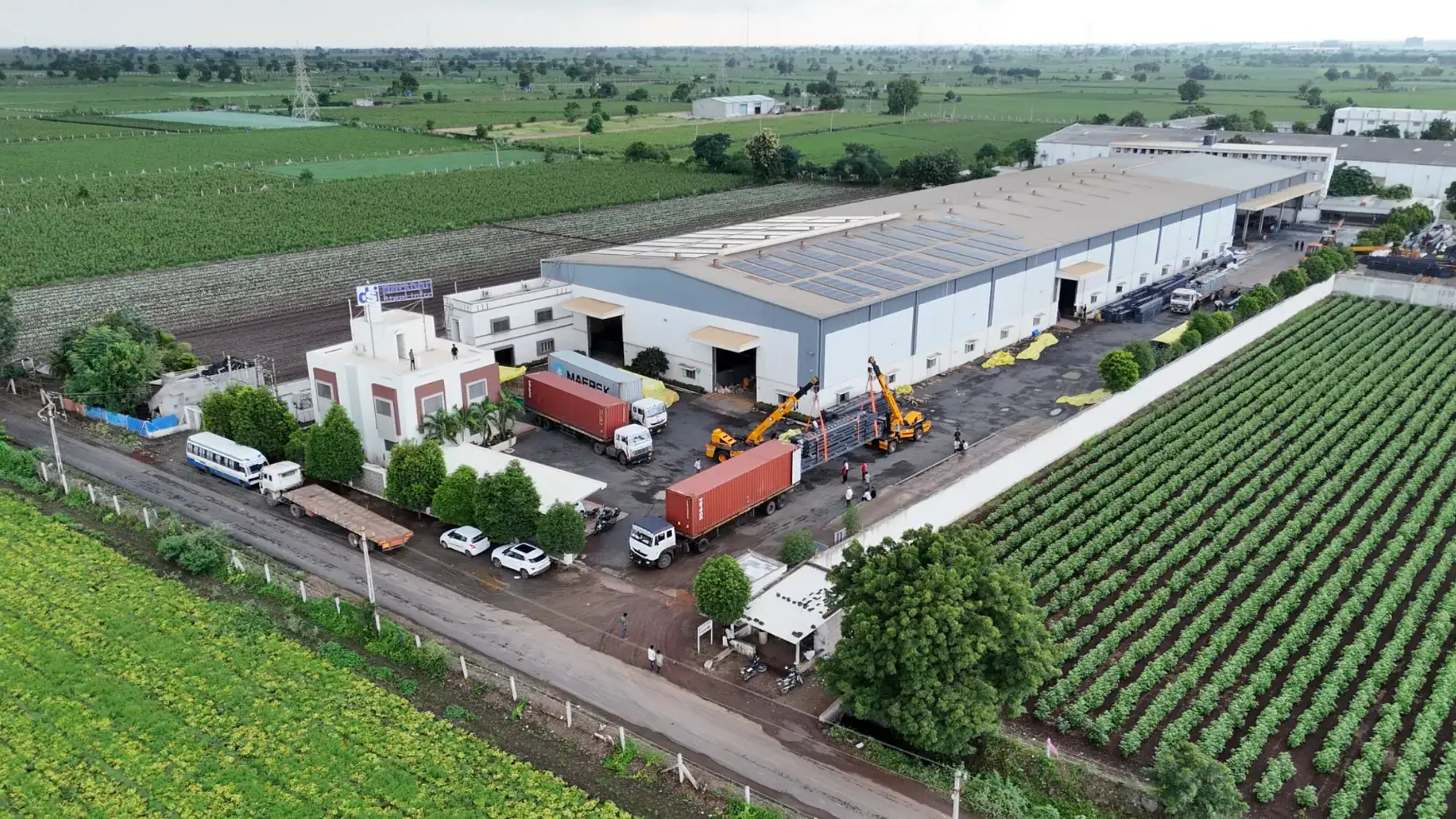
Darshan Steel Infrastructure fabricates every building in its own 15,000 sq m works at Chhattar on the Rajkot–Morbi highway, and ships it as a complete kit: numbered frames, purlins and girts, sheeting, flashings, insulation, ventilators, doors and bolts, with the erection drawings. Surat, Bharuch, Ankleshwar, Vapi and Dahej are within a day by road, so dispatch is phased to the erection sequence and a replacement member is a day away. The frames are engineered by DSI’s own engineers for the site’s wind speed, seismic zone and soil, cut from 345 MPa plate, shot-blasted to SA 2.5 and painted for the environment; roofs are S550 colour-coated Galvalume. Erection is by DSI crews with a supervising engineer, and the company’s quality, environmental and safety systems are certified by TÜV SÜD to ISO 9001, 14001 and 45001.